
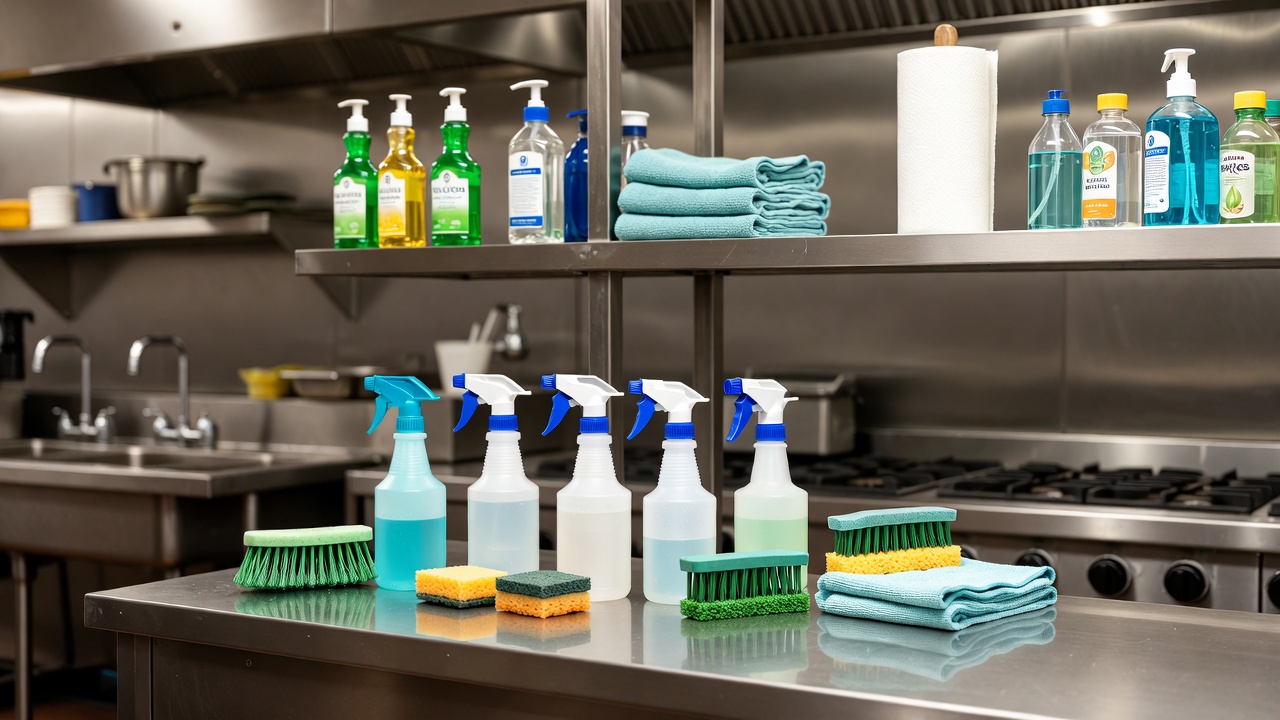
Deep Cleaning Schedules for Restaurants matter more than most operators assume. A reliable plan protects guests and staff, reduces risk of foodborne illness, and prolongs the life of kitchen equipment. This article walks through practical schedules and real world choices managers face each week month and year.
Whether you run a small neighborhood cafe or a multi shift dining room the right combination of daily tasks and periodic deep cleans keeps service smooth and saves money over time. Read on for concrete schedules checklists and decision rules that fit busy foodservice environments.
Why Deep Cleaning Schedules for Restaurants protect operations and reputation
Sanitation is not only about meeting regulations. A consistent deep cleaning routine reduces pest pressure lowers closure risk and improves guest perception. Restaurants that neglect deep cleaning can see grease build up in vents and drains that leads to odors and increased fire hazard. Regular interventions reduce those hazards and often cost less than emergency repairs or fines.
Inspectors focus on high risk items such as refrigeration condensers walk in coolers and fryer hoods. When those components receive scheduled deep treatment the facility performs better during inspections and staff can work with less interruption. A clear schedule also makes it easier to train new hires and to log completed tasks for audit purposes.
Weekly to annual Deep Cleaning Schedules for Restaurants
A layered schedule divides tasks into daily weekly monthly quarterly and annual activities. This keeps the workload predictable and makes it easier to assign responsibilities. Below is a practical framework that can be adapted to any size operation.
- Daily Clear grease traps empty fryers surface sanitize prep counters sweep and mop floors at shift end.
- Weekly Clean oven interiors degrease hood filters sanitize refrigerated display cases clean under and behind equipment.
- Monthly Service HVAC filters deep clean walk in cooler shelves inspect and clear floor drains descaling where needed.
- Quarterly Professional hood and duct cleaning inspect grease traps with vendor deep scrub seating and upholstery detailed tile grout cleaning.
- Annual Full facility inspection and deep clean of all major systems including refrigeration coils exhaust fans and plumbing lines.
When creating your written schedule assign frequencies and a responsible person for each item. Keeping a physical log or simple digital checklist gives you a record for inspections and helps spot patterns like recurring clogs.
Daily and weekly task lists that reduce the need for emergency deep cleans
Small daily habits prevent big problems. The tasks below are high impact and quick to integrate into shift routines.
- Wipe and sanitize high touch surfaces every few hours.
- Empty and clean grease strainer elements in fryers at shift end.
- Heat and sanitize cutting boards and sanitize food contact surfaces between preparation tasks.
- Sweep and spot mop to remove food debris that attracts pests.
- Check walk in cooler temperature logs and wipe drains to prevent backups.
Wrap weekly tasks into a longer shift on a slow day or assign to closing staff. Weekly attention to hood filters ovens and behind heavy equipment prevents grease migration and buildup that requires costly intervention later.
Monthly and quarterly actions that protect equipment and safety
Monthly work targets systems that are easy to forget during busy service. Quarterly work typically requires external vendors or a day without service to complete thoroughly.
Monthly checklist
- Deep clean refrigeration coils and condenser fins.
- Descale coffee machines and dishwashing equipment as recommended by manufacturers.
- Inspect and clear floor drains consolidate drain cleaning logs.
- Reapply sealant to grout where needed and deep scrub tiled floors.
Quarterly elements
- Professional hood and duct cleaning with inspection report.
- Grease trap inspection and routine pumping with vendor receipts on file.
- Lighting checks and fixture cleaning to improve visibility in prep areas.
Scheduling these tasks during slow periods reduces impact on service. If your layout allows perform quarterly tasks in stages so the kitchen can remain partially operational.
High traffic zones and equipment to prioritize in Deep Cleaning Schedules for Restaurants
Spend more time on the areas that see the most use or present the greatest risk. Typical priority areas include fryers and exhaust systems walk in coolers prep stations dishwashers and customer restrooms. Each area has specific needs and recommended approaches.
- Exhaust systems collect grease over time and are a major fire risk. Schedule hood filter cleaning weekly and professional duct cleaning quarterly.
- Walk in coolers and freezers need coil and gasket maintenance to prevent temperature drift and food loss.
- Walkways and dining surfaces require frequent sanitizing to protect patrons and prevent staining.
- Dishwashers require regular descaling to maintain wash temperatures and sanitation cycles.
Allocate more cleaning hours to these zones and document the work. When staff see a log with signatures they take ownership and problems are found earlier.
Who should perform deep cleaning and how to choose outside providers
Many tasks can be handled by trained in house staff while others are best left to qualified vendors. Knowing which tasks to keep internal and which to contract helps balance cost and quality.
- In house staff handle daily and most weekly tasks after receiving proper training and standardized checklists.
- Vendors are recommended for hood and duct cleaning refrigeration coil work grease trap pumping and comprehensive floor restorations.
When selecting a vendor check insurance certificates reference checks and ask for written before and after reports. Some businesses prefer single vendors that offer multiple services while others work with specialists for each system. If you are exploring local janitorial or system service providers a focused resource can give details about typical frequencies and what to expect during a visit https://freedomcleaningsolutions.com/janitorial-service-orlando/.
Signs your restaurant needs an off schedule deep clean
Even with a solid schedule there are times a facility requires an unplanned deep clean. Recognize these signs to act quickly and avoid escalation.
- Persistent odors in dining or kitchen areas that routine cleaning does not remove.
- Visibility of grease in vents or smoke residue near the hood area.
- Recurring pest sightings especially in storage or prep zones.
- Slow draining sinks or frequent clogs in floor drains.
- Equipment running hotter than normal or increased energy bills that indicate dirty coils.
If you notice any of these issues schedule immediate inspection and targeted cleaning. Addressing specific problems promptly reduces disruption and cost over time.
Budgeting and record keeping for Deep Cleaning Schedules for Restaurants
Putting cleaning tasks on the balance sheet reduces surprise expenses. Estimate labor time for monthly quarterly and annual tasks and include vendor costs for specialized services. Many operations set aside a monthly sanitation fund that covers regular vendor visits and emergency work.
- Track labor hours for cleaning separate from regular service time to see true cost.
- Keep vendor invoices warranties and inspection reports in a single folder or digital file for audits.
- Use simple checklists with dates initials and notes so managers can review trends at monthly meetings.
Record keeping also supports health inspections. Presenting organized logs shows a proactive approach to sanitation and may reduce penalties or repeat violations.
Conclusion
Deep Cleaning Schedules for Restaurants are a practical investment that protect patrons staff and equipment while reducing risk. A structured plan combining daily upkeep weekly actions and periodic professional services prevents small issues from becoming major outages. Use the weekly and monthly checklists above to create a living schedule that matches your menu volume staffing and facility layout. Maintain clear logs and assign ownership for each task so nothing is overlooked and trust but verify by periodically walking through priority zones.
If you have limited staff or complex equipment consider working with a reputable service provider to handle quarterly and annual work. Start by mapping high traffic zones and creating a modest monthly sanitation budget. Then schedule quarterly vendor visits for hoods drains and refrigeration. A little planning saves time and money and reduces stress during peak service. Review your plan after major events or menu changes and update frequencies based on actual wear and usage. Ready to set a cleaning calendar that fits your operation and budget take the next step today by listing your priority areas and booking a consultation or site visit.